Composition: Cropping Photos by Julia Chan on October 03, 2019
1 Min Read

Summary
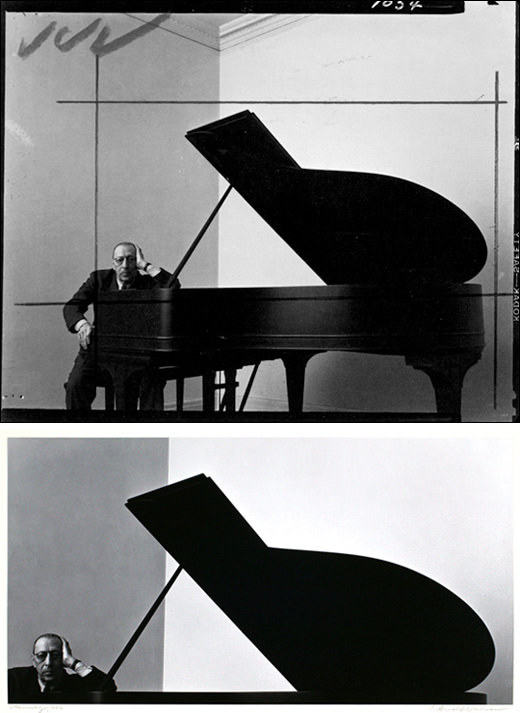
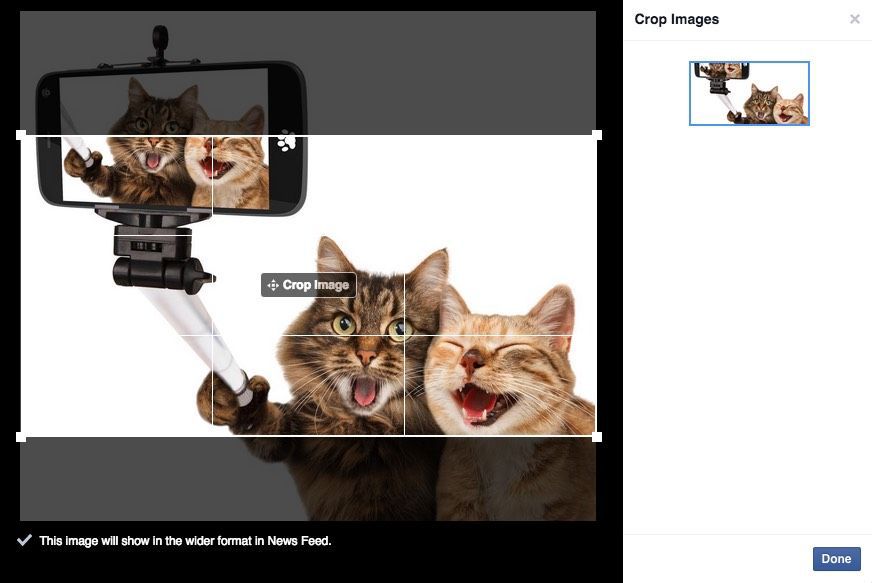
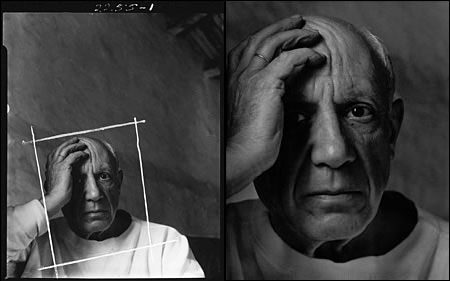
Simply put, cropping is the re-framing of your image, a way to redefine the edges and proportions of what is shown within the frame. Unlike other aspects of photographic composition, which are usually applied as you take a photo, cropping can also happen in post-production, after a photo has already been taken.
While too much cropping can lead to a decrease in image quality or cause a photo to appear awkward or unnatural, thoughtful cropping can be used to:
- Emphasize a focal point
- Remove distracting elements
- Tell a story / create intrigue
- Improve a mediocre image
- Adjust the aspect ratio for social media or print
Takeaway
It isn’t necessary to crop every image, but if used with the right understanding of compositional principles, cropping can become a powerful tool. Furthermore, with the rise of digital media, it is almost inevitable that we will all come across and use images (whether taken by ourselves or others) that could benefit from a thoughtful crop.
Additional Resources
- The Neglected Art of Cropping
- Image cropping tutorial: Examples and ideas for creating better composition (YouTube)
- Cropping photos for maximum impact and better composition
- A Guide on Good and Bad Places to Crop on Your Portrait Subject